Get Trench Installation
Trench installation services help property owners solve drainage, utility, and foundation issues by connecting them with local contractors experienced in digging, laying pipes, and installing cables.
If you’re considering trench installation services, you’ve come to the right place to begin exploring your options. Property owners in the area often look into trench work for a variety of practical reasons, such as installing new utilities, improving drainage, or preparing for landscaping projects. Finding the right local contractors to handle these tasks can help ensure the project is completed efficiently and to your specifications, making it easier to plan and execute your property improvements.
This page connects you with experienced service providers who specialize in trench installation and related work. Comparing local contractors allows you to evaluate different approaches and find solutions that fit your project needs. Keep reading to discover how these professionals can assist with your plans and help you move forward with confidence.
- Commercial properties - businesses needing durable trench installations for utility lines or drainage systems.
- Residential homes - homeowners requiring trench work for landscaping, irrigation, or foundation repairs.
- Industrial facilities - plants and factories that need trenching for electrical, plumbing, or process piping.
- Public infrastructure - municipalities planning roadwork, sewer, or water line projects involving trench excavation.
- Renovation projects - property upgrades that involve trenching to install new utilities or improve existing infrastructure.
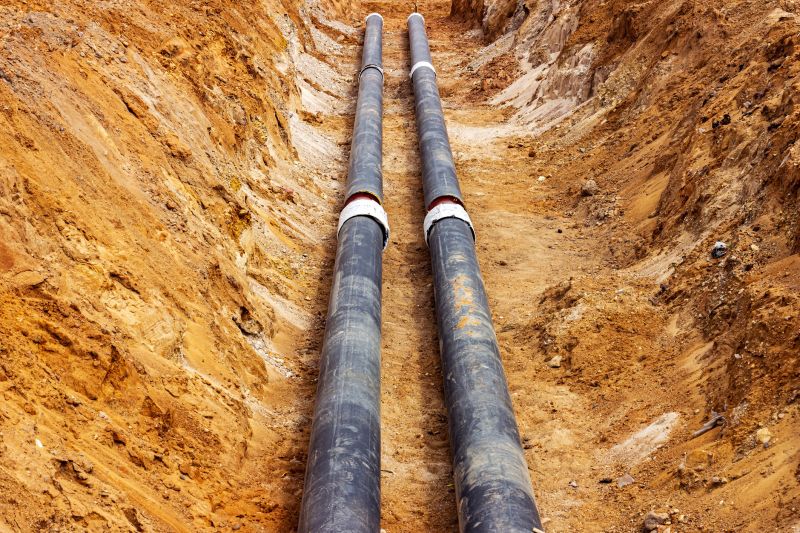
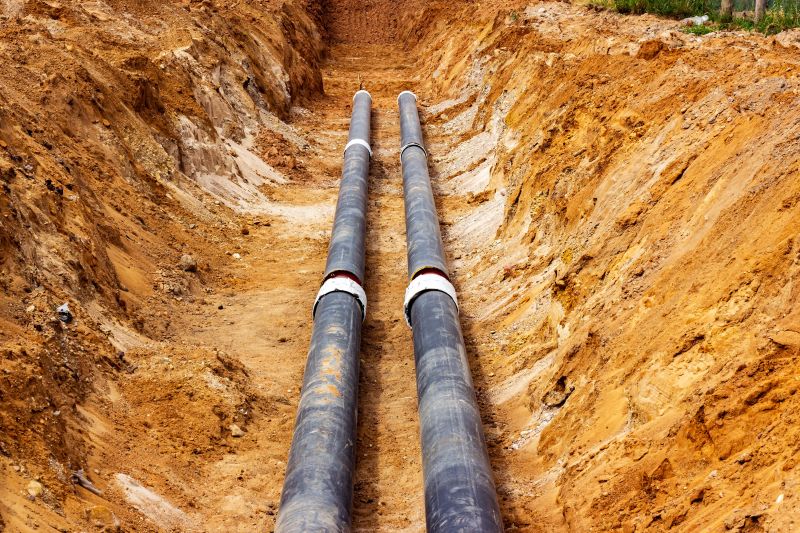
Trench installation services involve excavating and constructing trenches in the ground to serve a variety of practical purposes around a property. This process typically includes digging narrow, deep channels in the soil to accommodate utilities such as water lines, electrical cables, or drainage pipes. Skilled contractors use specialized equipment to ensure precise and efficient trenching, minimizing disruption to the landscape while creating a reliable pathway for essential infrastructure. Proper installation is crucial for ensuring the longevity and safety of underground systems, making trenching an important step in many home improvement or maintenance projects.
Many common problems can be addressed through trench installation services. For example, properties experiencing frequent water pooling or poor drainage may require new drainage systems installed via trenches to redirect water away from foundations and prevent flooding. Additionally, homes undergoing renovations or upgrades often need underground utility lines laid or replaced, which involves trenching to securely install pipes and cables. Trench work can also help resolve issues related to landscaping, such as creating borders or pathways, or installing irrigation systems that require underground piping. These services are essential for maintaining the functionality and safety of a property’s infrastructure.
Properties that typically utilize trench installation services include residential homes, especially those with extensive landscaping or existing underground utility networks. New construction projects often require trenches for foundation footings or utility connections, making these services common in developing neighborhoods. Commercial properties and industrial sites also frequently need trenching for large-scale utility installations or drainage systems. Additionally, properties that experience ongoing drainage problems or are preparing for significant landscaping improvements may find trench installation to be a practical solution. Local contractors can assess specific property needs and recommend suitable trenching solutions based on the scope of work.
Homeowners who notice issues such as persistent water pooling, foundation concerns, or outdated utility lines may find trench installation services necessary. These services are also useful for those planning major landscaping, installing irrigation, or upgrading underground electrical or plumbing systems. By working with experienced local service providers, property owners can ensure that trenching is performed accurately and efficiently, helping to prevent future problems and improve overall property functionality. Contacting local contractors for a consultation can provide tailored solutions that meet the specific needs of a property, ensuring reliable and long-lasting results.
The overview below groups typical Trench Installation projects into broad ranges so you can see how smaller, mid-sized, and larger jobs often compare in your area.
In many markets, a large share of routine jobs stays in the lower and middle ranges, while only a smaller percentage of projects moves into the highest bands when the work is more complex or site conditions are harder than average.
Smaller Repairs - Minor trench repair or patching typically costs between $250 and $600. Many routine jobs fall within this range, depending on the size and scope of the work.
Standard Installation - Installing new trenches for drainage or utilities usually ranges from $1,000 to $3,000. Most projects in this category are straightforward and stay within this middle price band.
Full Trench Replacement - Replacing an existing trench or installing a larger system can cost between $3,500 and $8,000. Larger or more complex projects may push beyond this range, but many fall within it.
Complex or Custom Projects - Highly customized or extensive trench work, such as for large commercial sites, can reach $10,000 or more. These are less common but represent the higher end of typical project costs.
Actual totals will depend on details like access to the work area, the scope of the project, and the materials selected, so use these as general starting points rather than exact figures.
Foundation Excavation - Trench installation skills are essential for digging and preparing sites for building foundations, requiring precise planning and use of trenching tools.
Drainage System Installation - Installing underground drainage pipes involves trenching, careful layout, and knowledge of subsurface conditions similar to trenching for utilities.
Electrical Conduit Installation - Laying electrical conduits underground requires trenching expertise to ensure proper depth, alignment, and protection for wiring systems.
Irrigation System Setup - Installing underground irrigation lines involves trenching and planning to ensure efficient water distribution across landscapes.
Gas Line Installation - Trenching for gas lines demands careful excavation, safety considerations, and precise placement akin to trench installation services.
Fiber Optic Cable Burial - Laying fiber optic cables underground involves trenching, route planning, and careful handling to ensure reliable connectivity.
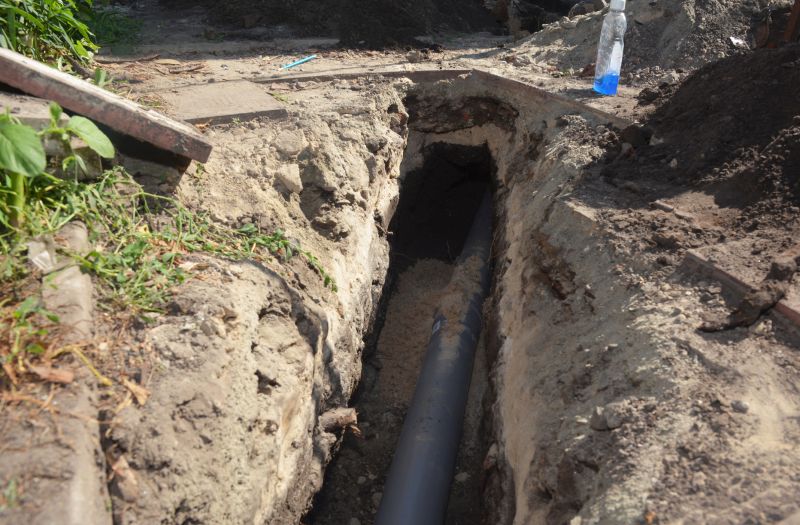
When evaluating potential contractors for trench installation, it’s important to consider their experience with similar projects. Homeowners should look for local contractors who have a proven track record of completing trenching work comparable in scope and complexity to the project at hand. Asking about previous work or requesting examples of completed projects can provide insight into their familiarity with the specific requirements of trench installation, helping to ensure the chosen service provider has the relevant expertise to handle the job effectively.
Clear, written expectations are essential for a smooth project process. Homeowners should seek out local contractors who provide detailed estimates and scope of work documents. These should outline the tasks involved, materials used, and any other relevant details, minimizing misunderstandings and ensuring everyone is on the same page. Having well-defined expectations helps to facilitate transparent communication and provides a reference point throughout the project, contributing to a more organized and predictable experience.
Good communication and reputable references are key indicators of a reliable service provider. Homeowners are encouraged to ask local contractors for references from past clients and to inquire about their experience working on similar projects. Consistent, clear communication from initial contact through project completion can help address questions promptly and build trust. By selecting local pros who demonstrate professionalism and are willing to share references, homeowners can feel more confident in their choice and better understand what to expect during the trench installation process.
Property owners use Trench Installation services for practical projects around their homes and businesses. This guide focuses on everyday jobs and straightforward project options.
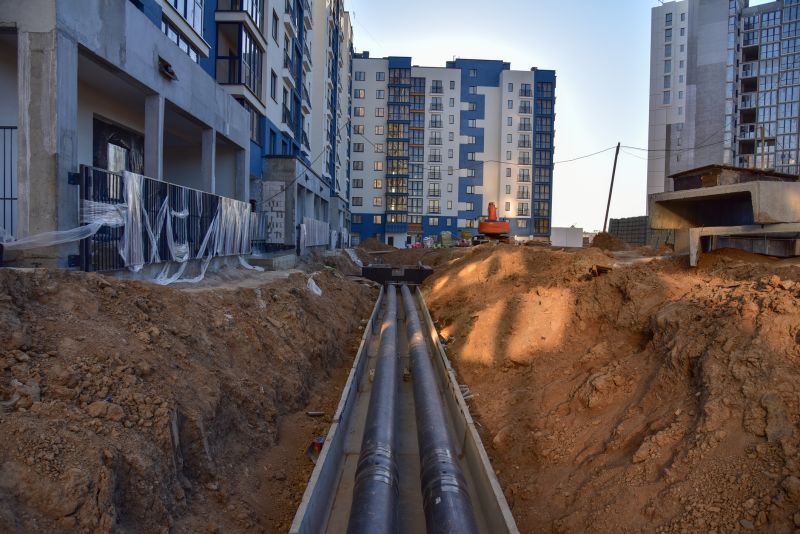
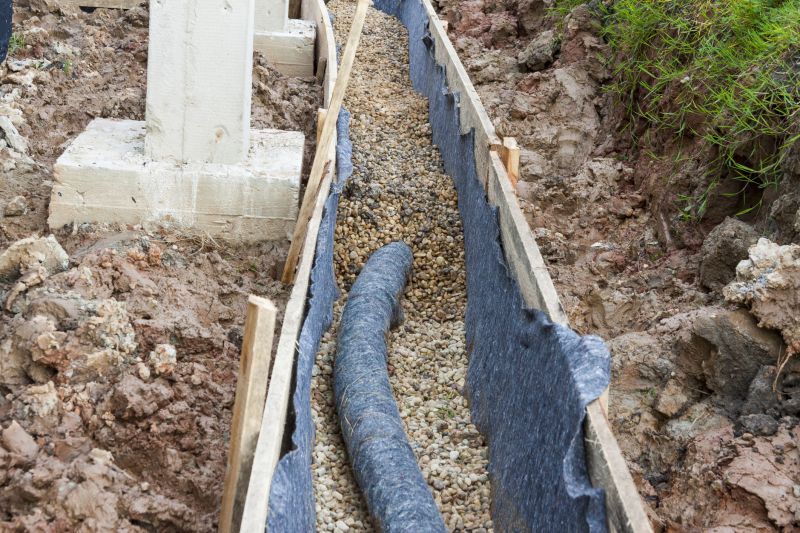
Trench installation services are often needed when property owners are preparing for landscaping projects, installing new irrigation systems, or managing drainage issues around their homes and commercial properties. Local contractors can assist with digging trenches for utility lines, sprinkler systems, or foundation work, helping to ensure that these projects are completed efficiently and accurately. Whether it's creating a pathway for underground wiring or addressing water runoff concerns, having experienced service providers handle trench work can make the process smoother and more reliable.
Property owners may also seek trench installation when upgrading or repairing existing infrastructure, or when installing fencing and retaining walls that require precise trenching. Local professionals are equipped to handle various project sizes, ensuring that trenches are dug to the proper depth and specifications. Connecting with nearby contractors can provide the support needed to complete these tasks safely and effectively, helping to maintain the integrity and functionality of a property’s outdoor space.
What is trench installation used for? Trench installation is commonly used for laying utility lines, drainage systems, or irrigation pipes in residential or commercial properties.
What types of trenches can local contractors install? Contractors can install various trench types, including shallow, deep, narrow, or wide trenches, depending on the project's needs.
How do local service providers prepare for trench installation? They typically assess the site, determine the appropriate trench depth and width, and ensure proper safety measures are in place before starting the work.
What equipment is used during trench installation? Equipment such as trenchers, excavators, and shovels are commonly used by local contractors to dig and prepare trenches efficiently.
Are there specific permits required for trench installation? Permit requirements vary by location; local service providers can advise on any necessary permissions or regulations for trench work.
Drainage Improvement - Property owners can enhance drainage around their home to prevent water pooling and foundation issues by hiring local contractors.
Erosion Control - Installing trenches can help manage soil erosion on sloped yards or garden beds, protecting landscaping and structures.
Landscape Drainage Solutions - Trench installation can be used to create effective drainage paths for irrigation systems or rainwater runoff.
Foundation Protection - Proper trenching can be part of a plan to safeguard a building’s foundation from water damage and soil shifting.
If you are thinking about Trench Installation for a property, this guide is meant to help you understand the work, the typical project types, and how different options might fit your plans.
When you are ready, you can use the quote form on this page to share a few details about your project. From there, local pros can review the basics and respond with options that match what you have in mind.